
UGANDA & RWANDA · 12 DAYS
SAFARI OF A THOUSAND HILLS
Private or small-group trips
We use our own and third-party cookies to analyse how the site is used and improve your experience. You can accept all, reject all, or choose which ones you allow.
Cookie Policy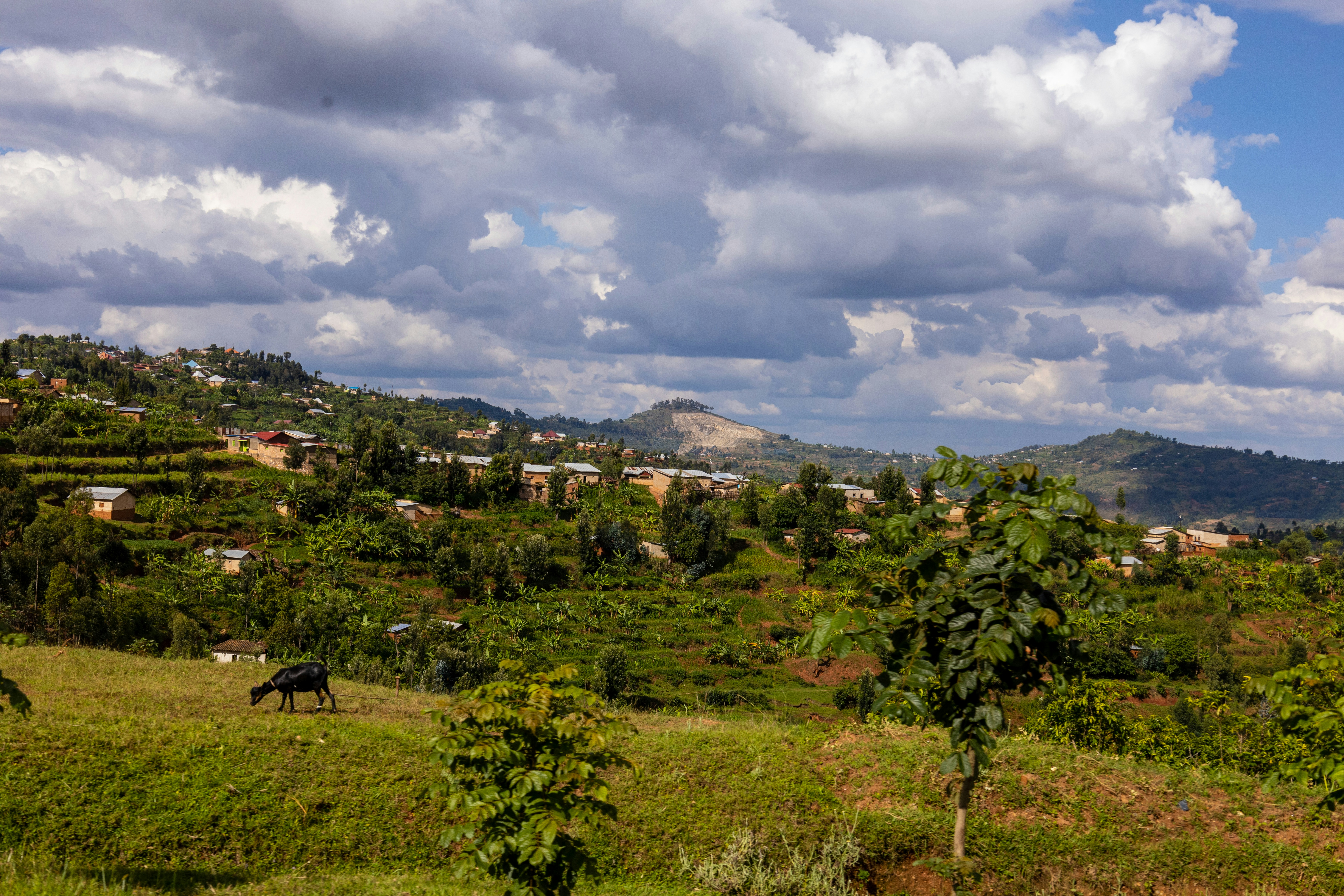
DESTINATION
In the heart of East Africa
Uganda and Rwanda offer an extraordinary combination for discovering the essence of East Africa. From Uganda's vast savannahs, lakes and tropical rainforests to the lush green mountains and endless landscapes of the Land of a Thousand Hills. Two countries united by exceptional natural beauty, vibrant cultures and some of the most unforgettable wildlife encounters on the continent. A journey filled with mountain gorillas, incredible safaris, breath-taking landscapes and the warmth of their people.
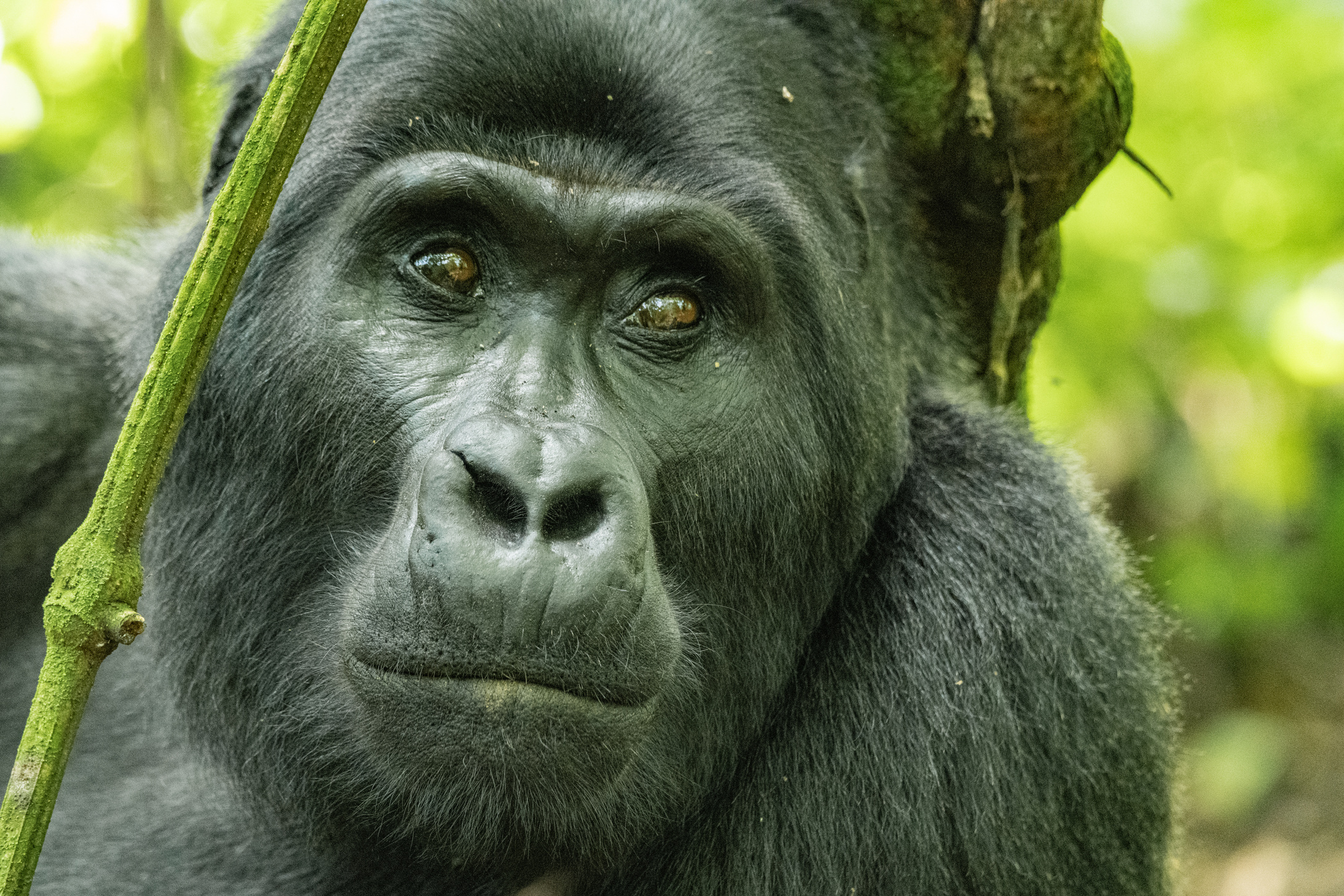
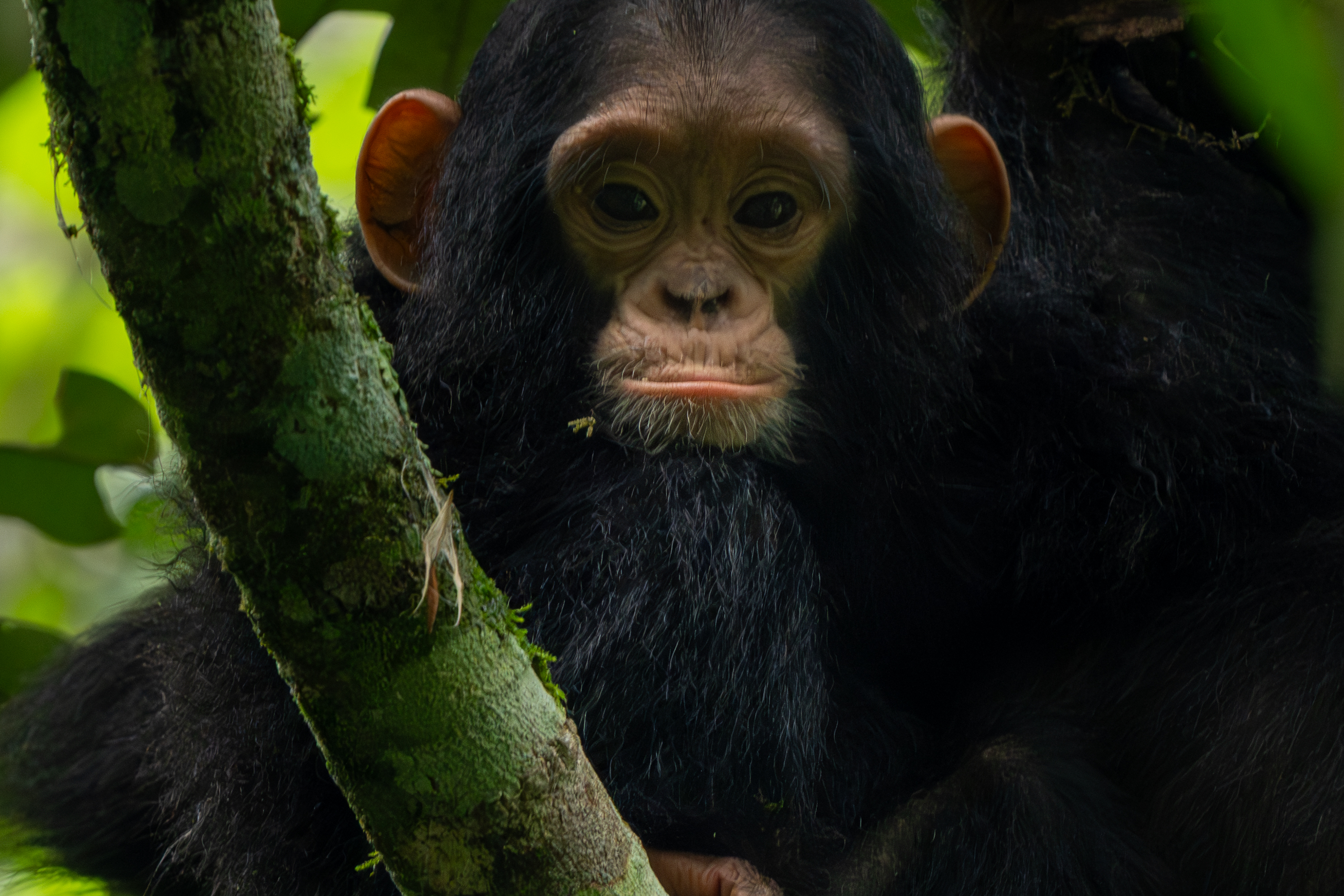
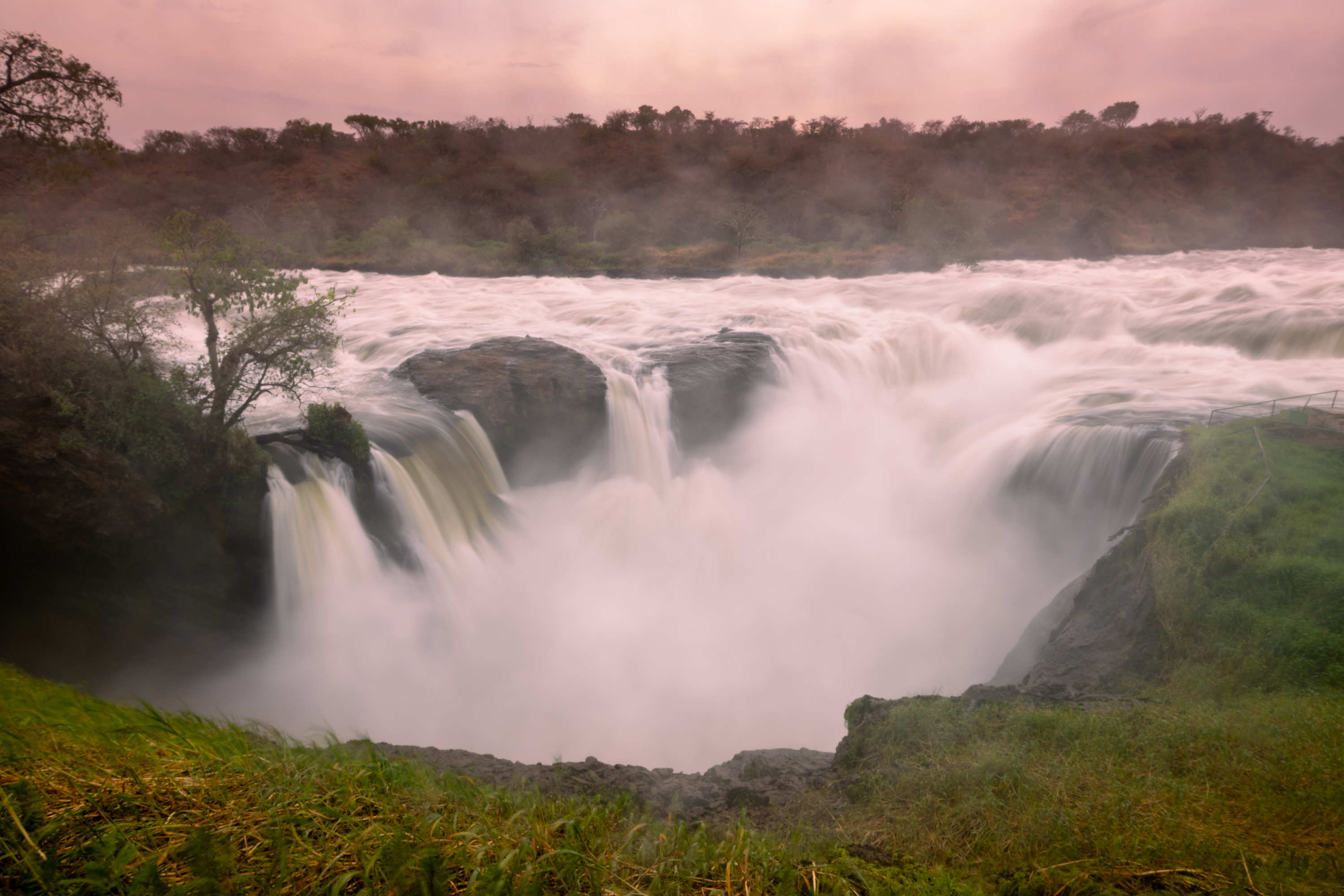
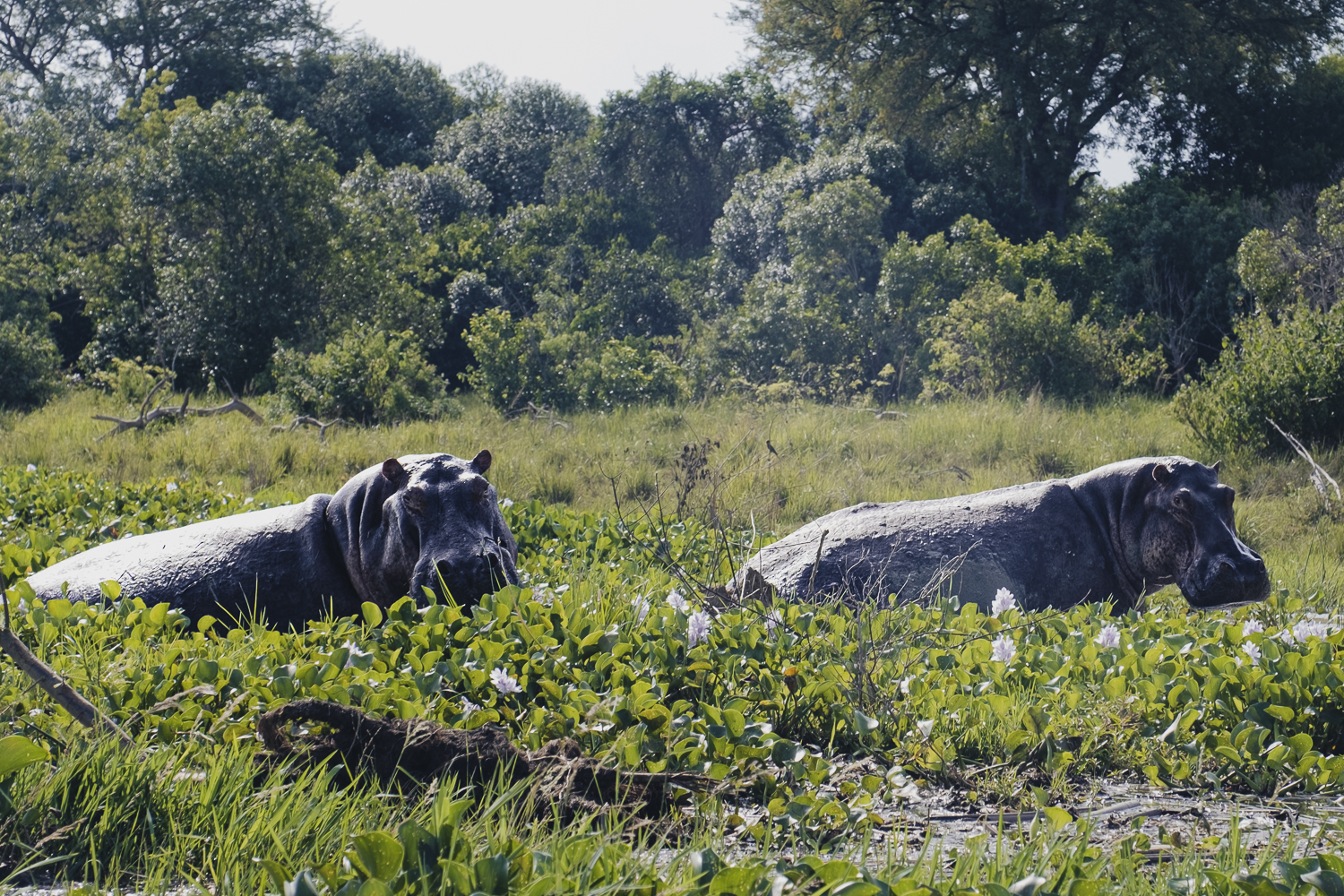
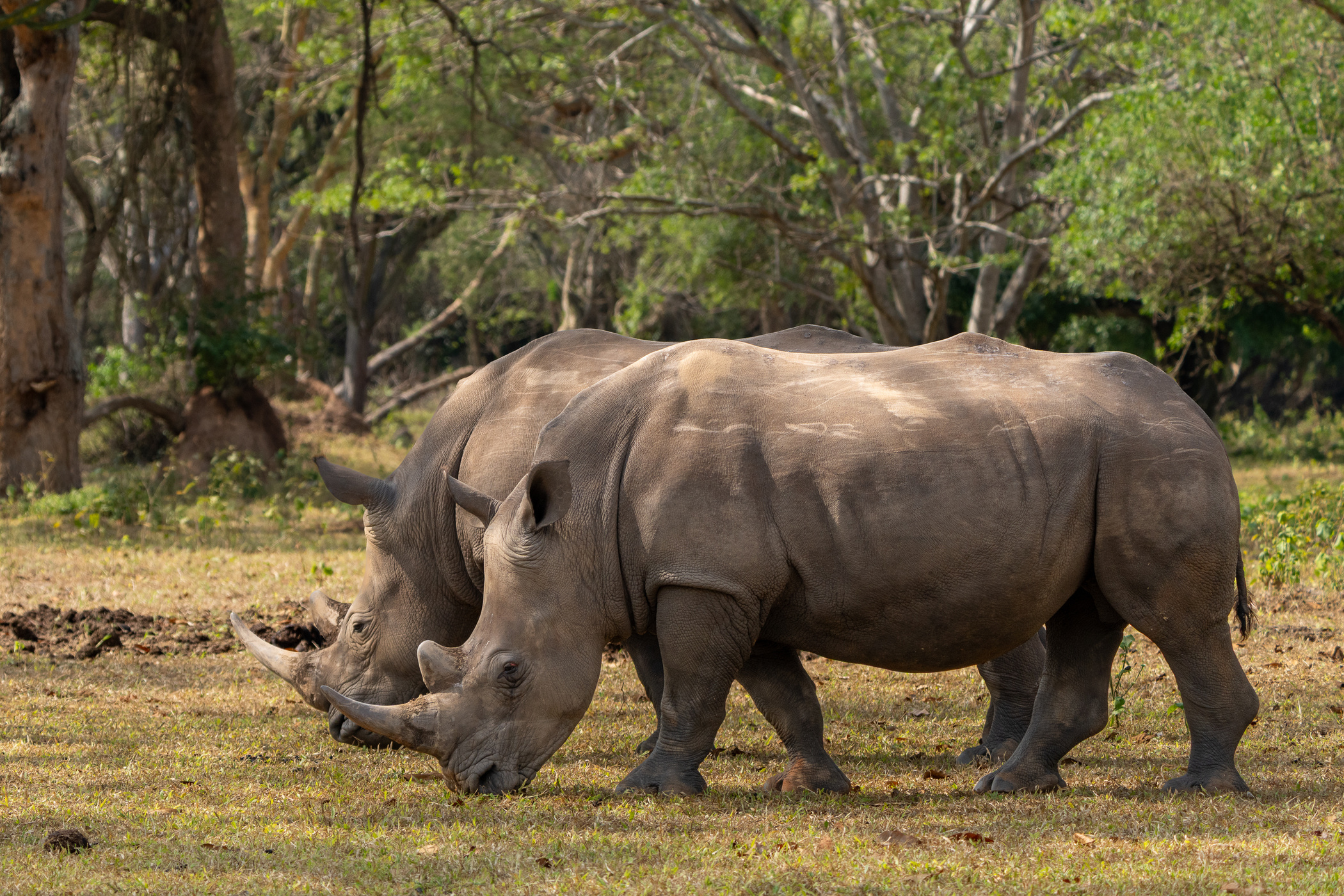
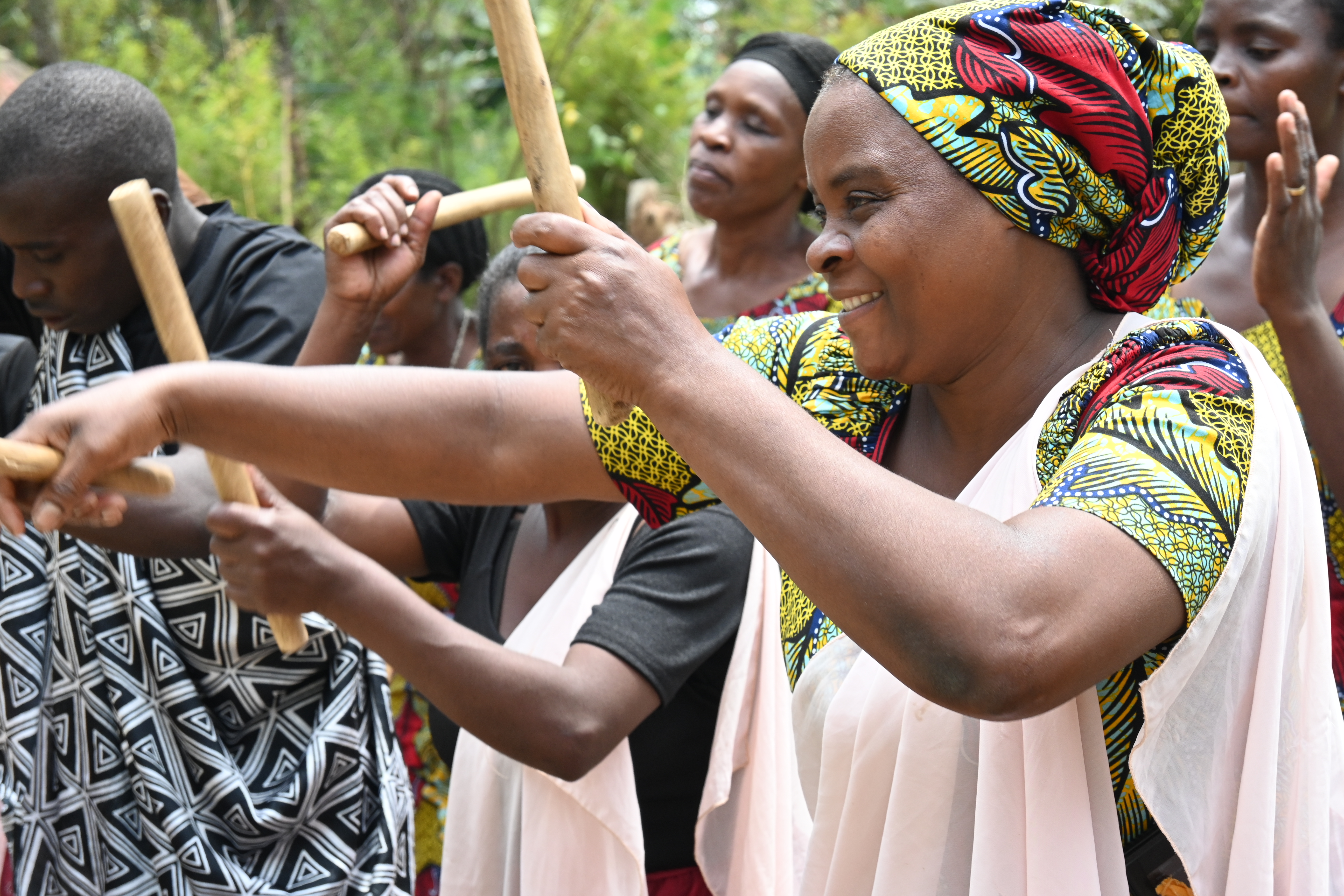
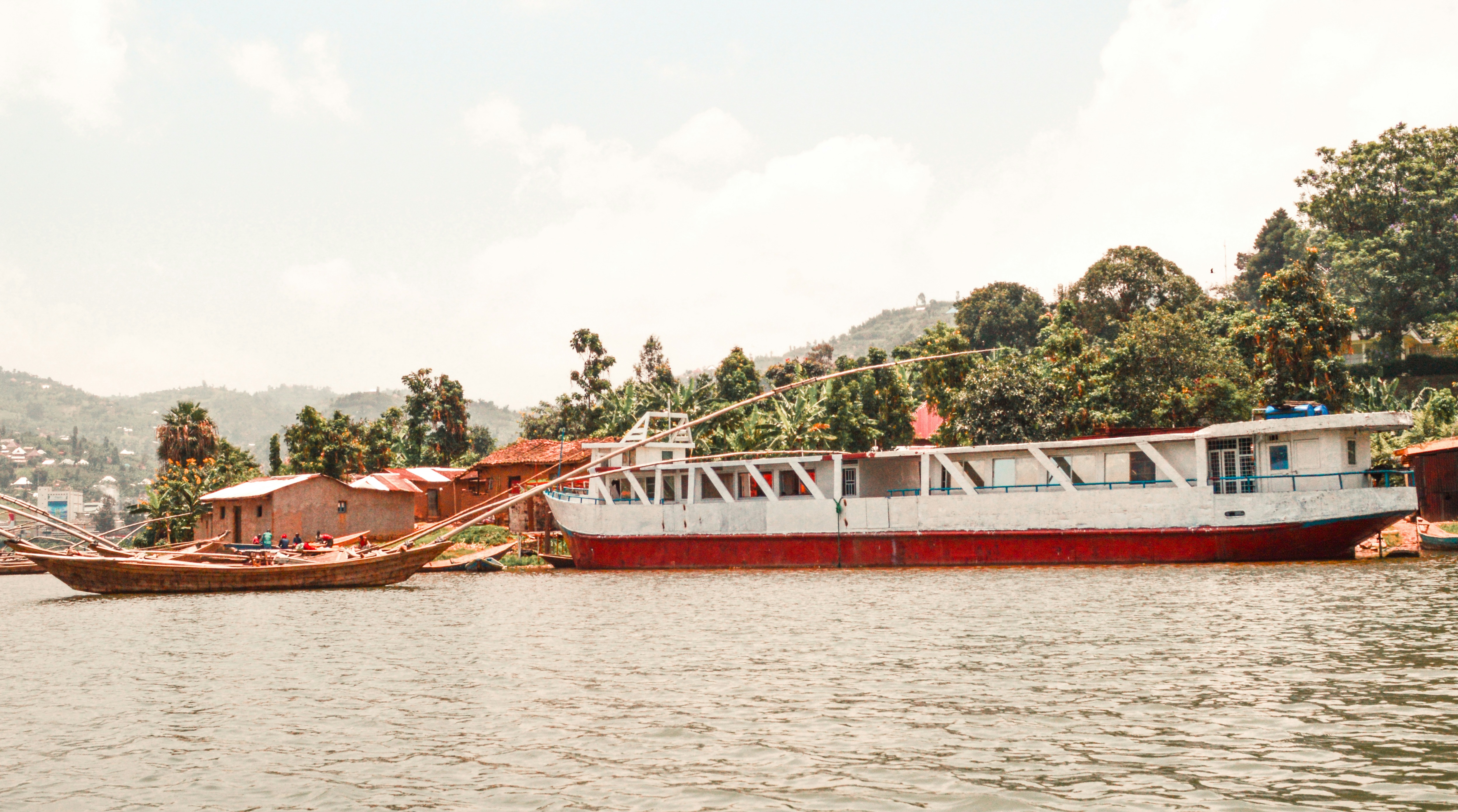
“Two countries united by exceptional natural beauty and the warmth of their people.”
OUR TRIPS
UGANDA & RWANDA · 12 DAYS
Private or small-group trips
BEFORE YOU TRAVEL
Uganda's main international airport is Entebbe International Airport (EBB), while Rwanda's is Kigali International Airport (KGL).
For a combined trip to Uganda and Rwanda, we recommend applying for the East Africa Tourist Visa, which allows you to travel through both countries with a single visa. It must be applied for through the country you enter first; for our itineraries starting in Uganda, the application is made through the official Ugandan immigration portal. Among other documents, you will need a passport valid for at least six months, a passport-sized photograph, your international vaccination certificate, travel details, and a local address (Jinja) or contact telephone number (+256 773 242003). We recommend applying well in advance and carrying a printed copy of the approval in order to board your flight. East Africa Tourist Visa →
A yellow fever vaccination certificate is required to travel to Uganda. As you will then continue from Uganda into Rwanda, you will also need to present it when entering Rwanda, as you are arriving from a country with a risk of yellow fever transmission. We recommend consulting an international travel health clinic before your trip for personalised advice on malaria prevention and other health precautions. Comprehensive medical and travel insurance is also essential.
The official currencies are the Ugandan Shilling (UGX) and the Rwandan Franc (RWF). ATMs and forex bureaux are available in both countries, particularly in major towns, cities and tourist areas. We recommend always carrying a small amount of cash for drinks, tips and other personal expenses not included in the itinerary. When crossing the border, you will be able to exchange any remaining Ugandan shillings for Rwandan francs. Card payments are becoming increasingly common, particularly in hotels and tourist establishments, although they are not accepted everywhere.
More than 50 languages are spoken in Uganda, although English is an official language and is widely used for communication between the country's different regions. In Rwanda, Kinyarwanda is the national language, while English and French are also spoken. We offer English-speaking guides and, on selected trips, Spanish-speaking tour leaders.
For gorilla and chimpanzee tracking, we recommend wearing long trousers, a long-sleeved top, sturdy trekking shoes and clothing in neutral colours. Gardening gloves are also very useful for protecting your hands from the vegetation, as is a lightweight waterproof jacket. During primate encounters, wearing a face mask is compulsory to reduce the risk of disease transmission. For savannah safaris, we recommend bringing a neck gaiter or scarf to protect yourself from dust. Uganda and Rwanda enjoy pleasant temperatures for much of the year, although the climate varies considerably depending on altitude and region. In mountainous areas, particularly early in the morning and at night, temperatures can drop noticeably. We recommend bringing some warm and waterproof clothing, as activities such as gorilla and chimpanzee tracking take place even when it rains.
The use of drones is strictly regulated in both Uganda and Rwanda and requires specific permits. For this reason, we recommend not travelling with a drone unless all the necessary authorisations have been arranged in advance.
Uganda and Rwanda both have well-established tourism industries and welcome international travellers throughout the year. We always travel with experienced local guides and professionals who know the areas well, and we closely monitor health and security conditions in the regions included in our itineraries. If you have any specific concerns before travelling, we will be happy to discuss them with you before you book.
The permits required for the gorilla and chimpanzee tracking experiences included in the itinerary are covered in the price of the trip. These permits allow you to take part in the activity accompanied by specialised rangers and, once the habituated family or community has been located, spend a limited amount of time observing the primates in their natural habitat. Permits are very limited and can sell out several months in advance, so we recommend booking your trip well ahead of time.
Uganda and Rwanda have tropical climates influenced by altitude and generally experience two rainy seasons throughout the year. April, May and November are usually among the wettest months, although rain is possible at any time of year. Rainfall often alternates with periods of sunshine and contributes to the lush green landscapes that characterise both countries. During the low season, we offer special discounts on selected itineraries.